Liven Review: 2026 Overview
The verdict
4.4/ 5 An all-in-one app that works on WHY you procrastinate — motivation, mood and habits — not just blocking distractions.
Liven is our top pick because it treats the part of procrastination most apps ignore: the reason you avoid the task in the first place. Instead of just blocking a site or timing a sprint, it folds a guided plan, short psychology courses, a habit builder, mood check-ins, focus soundscapes and an AI coach into one place. It is self-guided support rather than therapy, it has no hard blocker, and the onboarding pushes upgrades hard — but for getting at WHY you stall, nothing else here is as complete.
Most apps in this category pick a fight with the distraction. They block the site, time the sprint, count the minutes you lost. Liven starts somewhere else: it treats putting things off as a behaviour with a cause, and tries to change the cause, whether that is avoidance, low mood, perfectionism or a habit that never formed. On a weighted rubric that rewards how well an app addresses the actual reason you stall, nothing else we tested is as complete, which is why it sits at the top of our scorecard at 4.4 out of 5.
Be clear about what that ranking means. Liven has no website or app blocker and no Pomodoro timer, full stop. It is not the app that walls you off from a distraction, nor the one that drops you into a sprint in seconds. We rank it first because it does the slower work blockers and timers leave untouched, folded into one guided plan. We lived with it across a couple of over-booked weeks, the kind that usually kill a new app by the second one, and were still opening it in the second month. If your problem is reaching for your phone out of boredom, a blocker will serve you better. If you keep avoiding the thing that matters, read on.
What Liven actually is
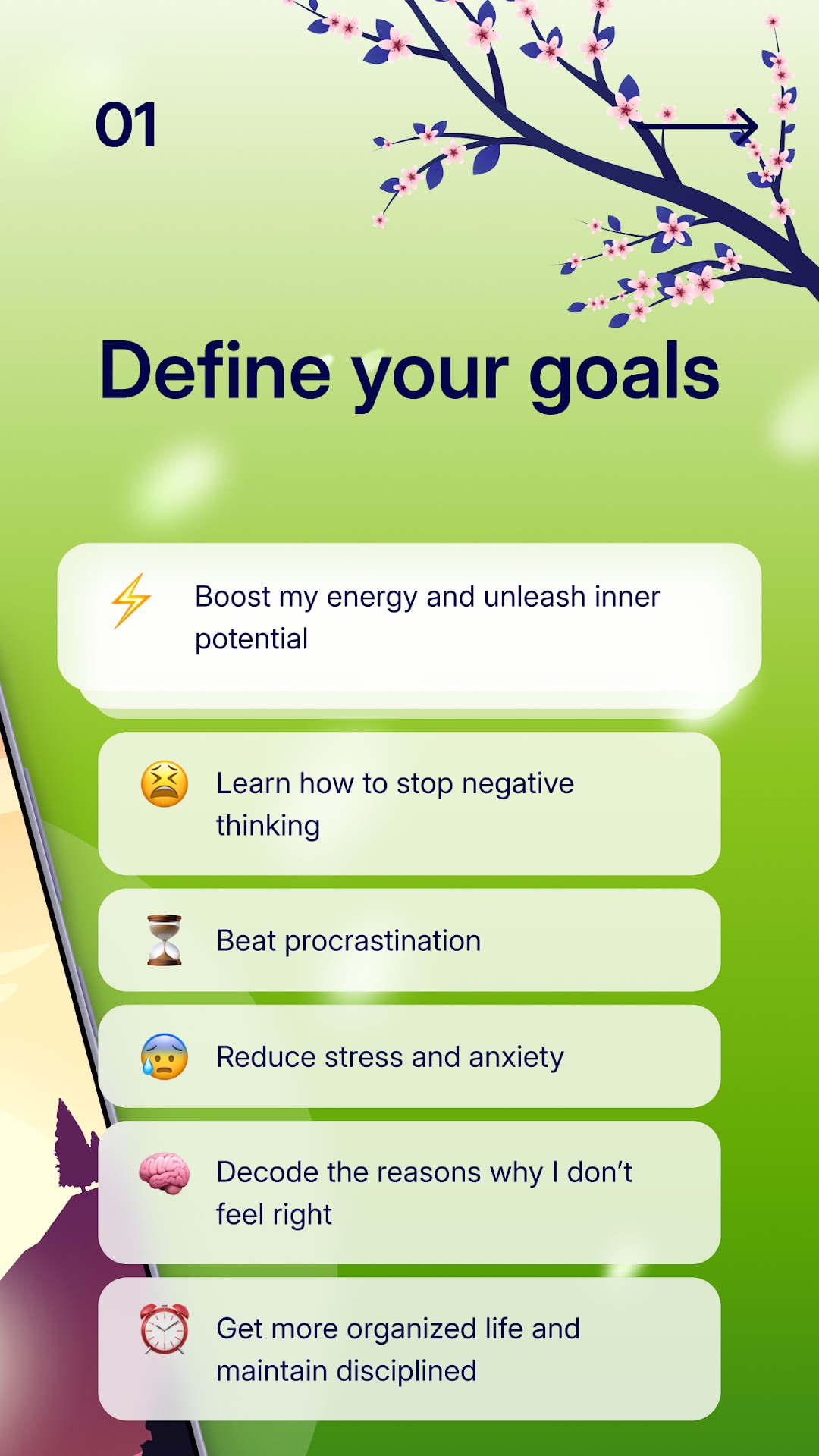
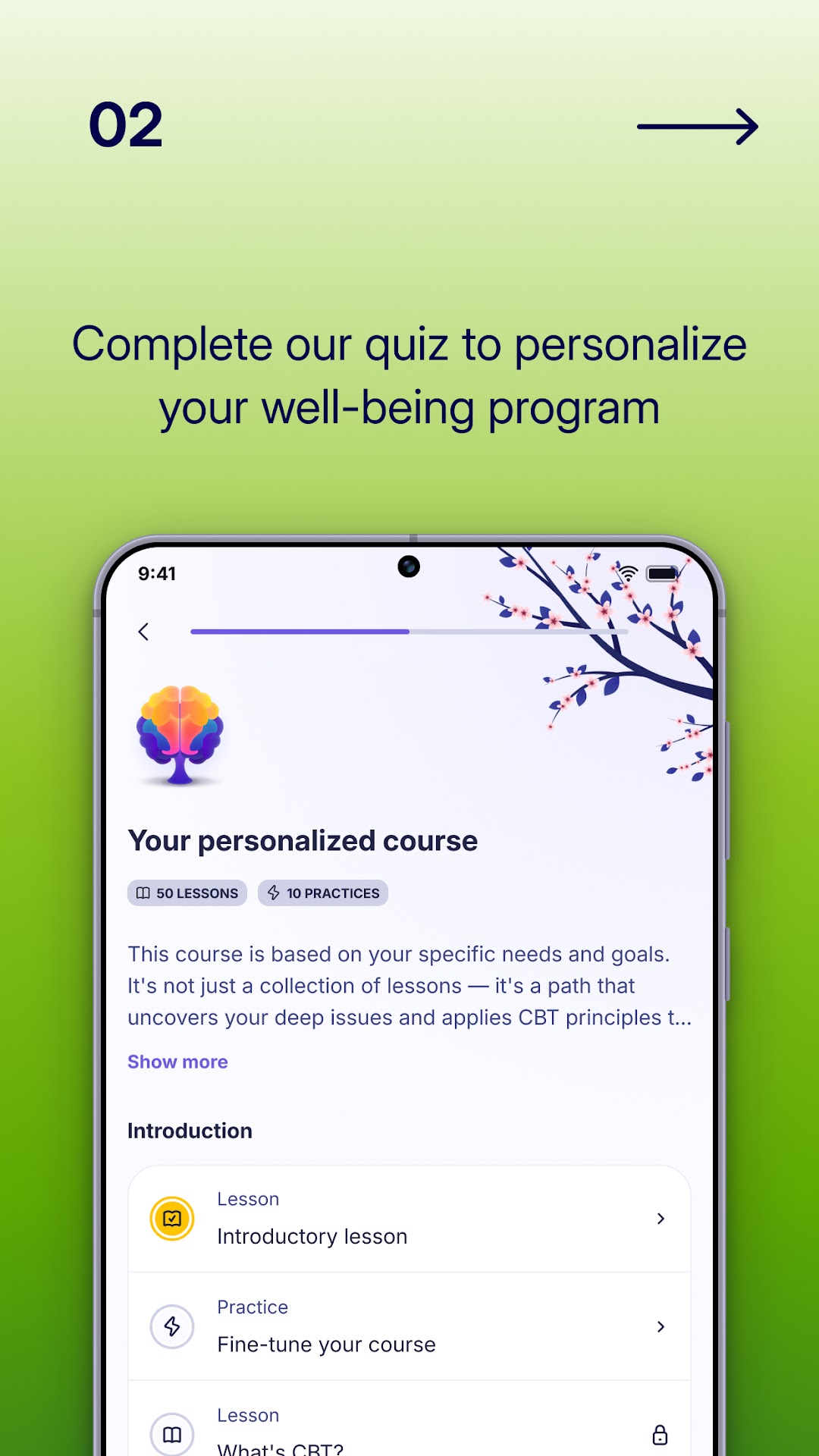
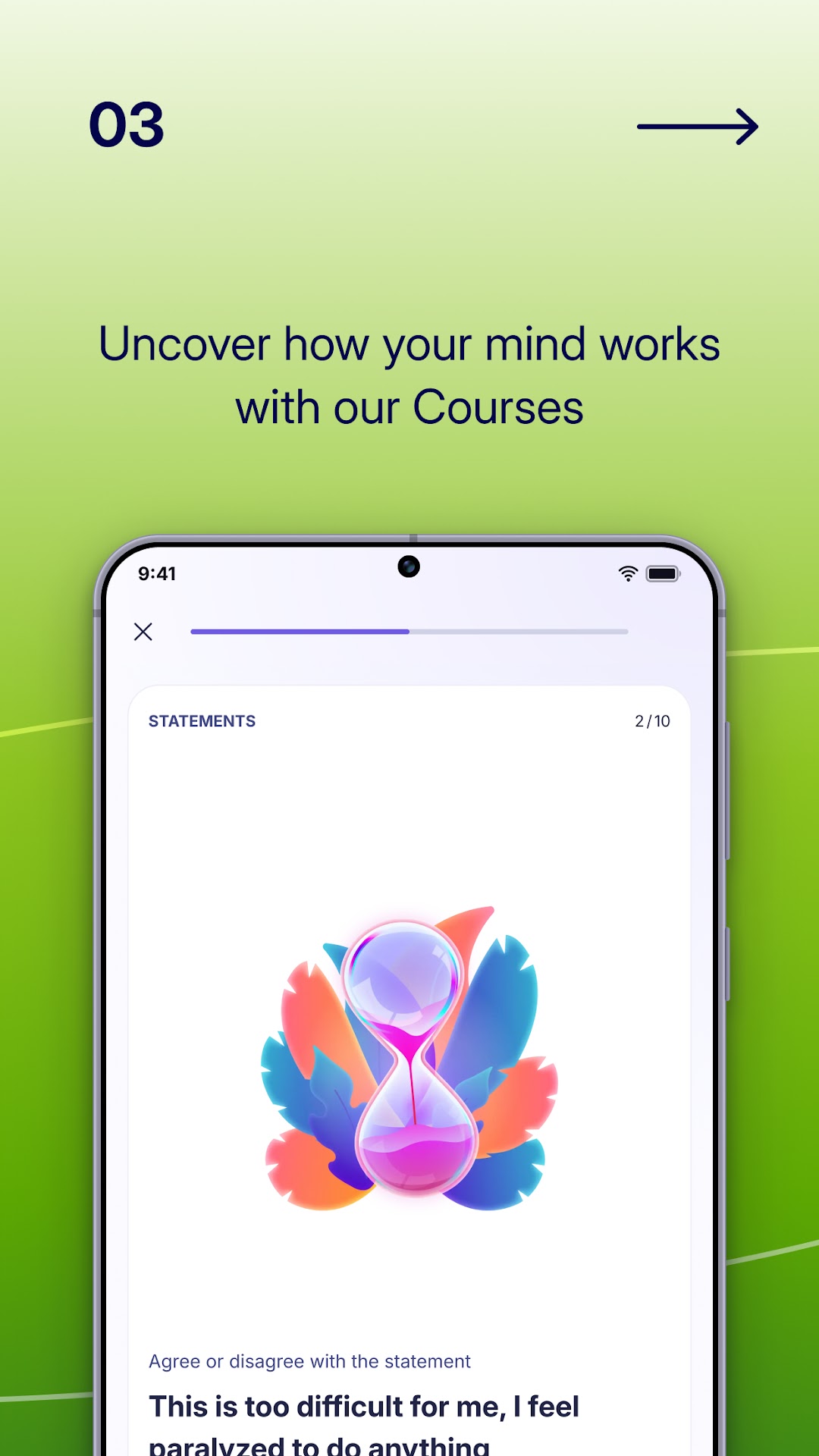
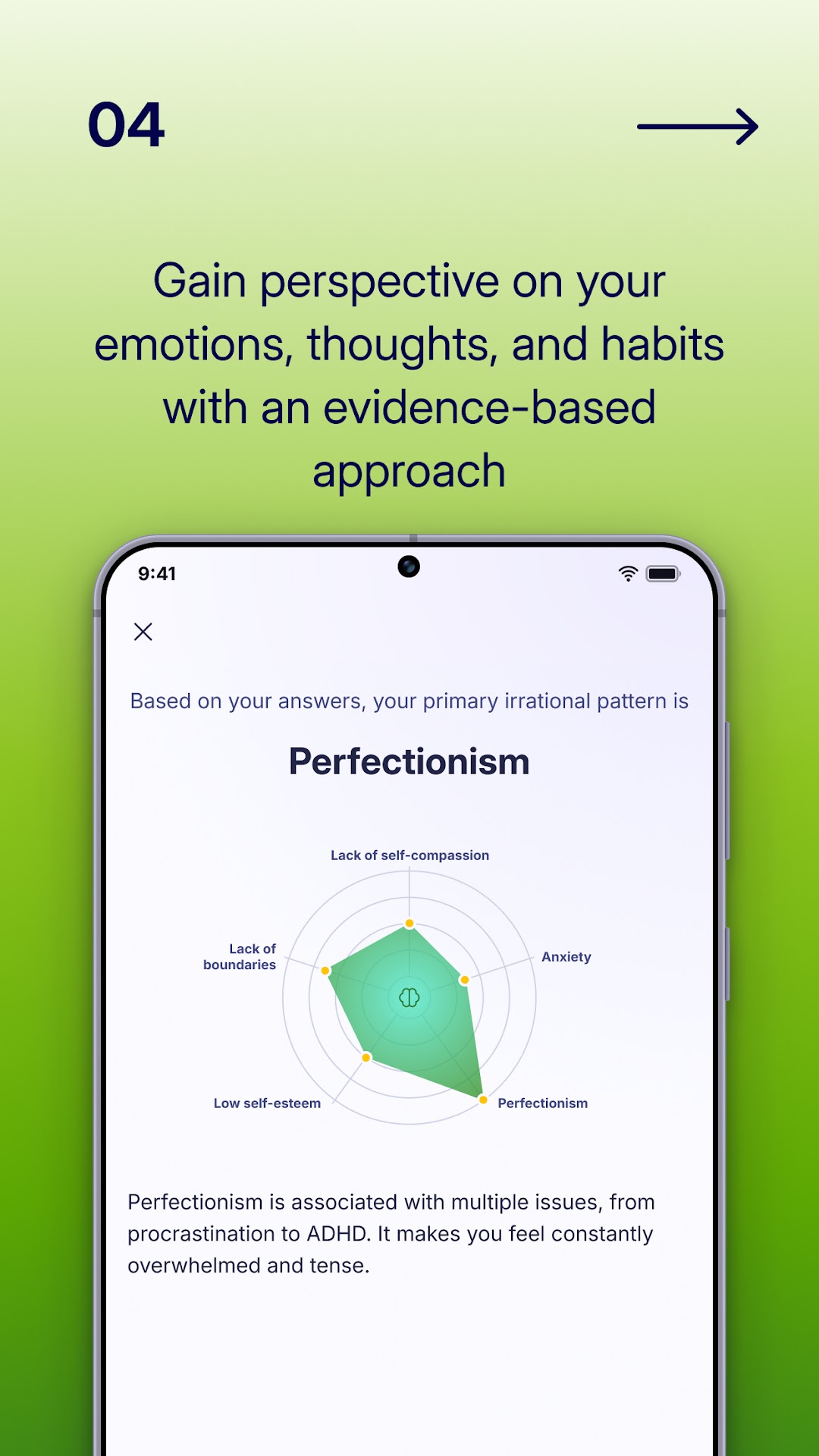
Liven is an all-in-one mobile app from Chesmint Limited, built around mindset, habits and focus rather than scheduling or blocking. It runs on iOS, Android and Apple Watch. You begin with a quiz about your goals, your moods and the way you avoid work, and it uses your answers to build a personalised program rather than dropping you into an empty dashboard.
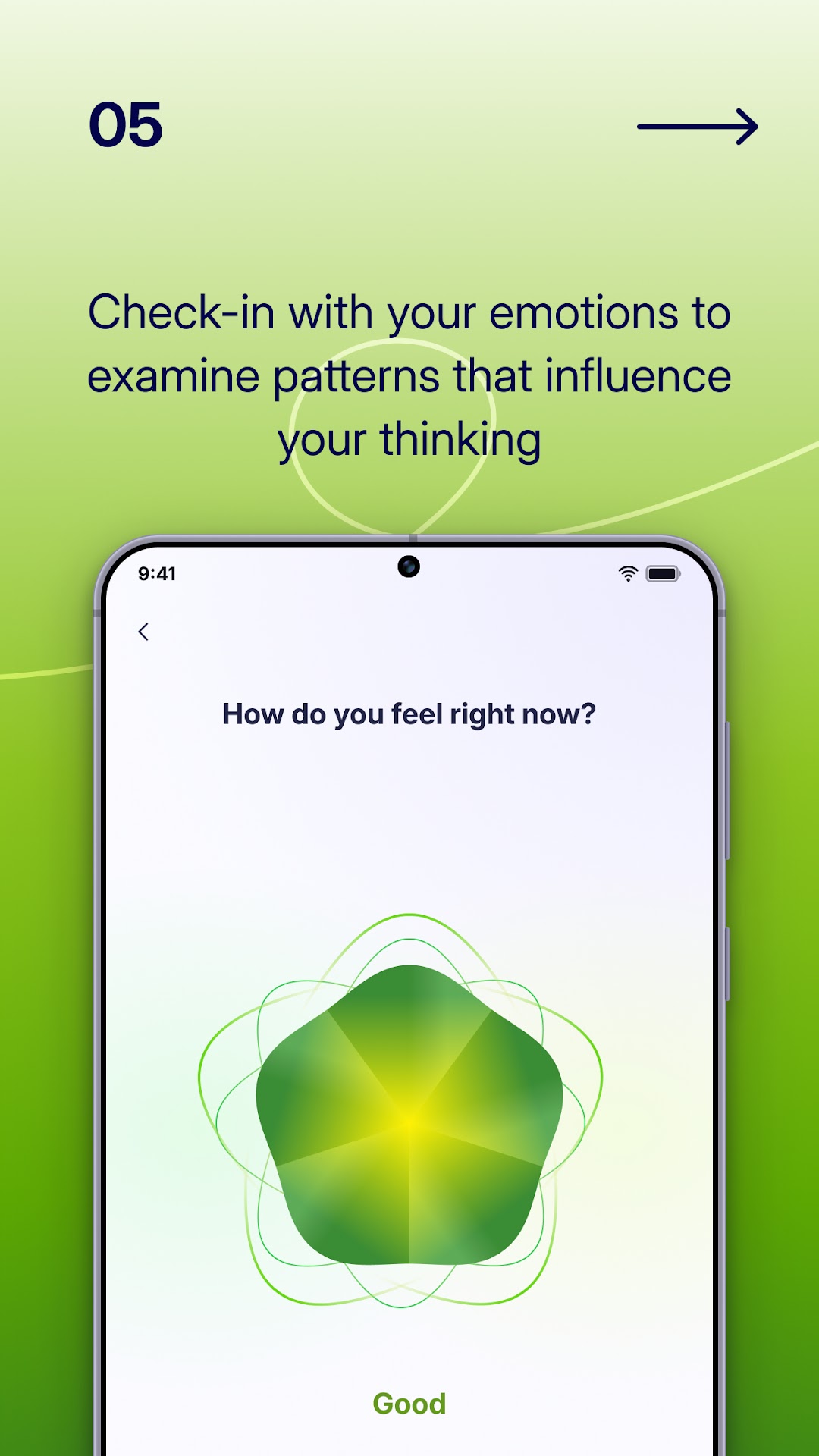
Underneath, the method draws on recognised frameworks: cognitive behavioural therapy, acceptance and commitment therapy, positive psychology and habit science, co-developed, the company says, with practising psychologists. In daily use that means short psychology courses, a habit builder, mood check-ins, focus soundscapes and an AI coach called Livie you can message when you are stuck. The approach is self-guided, with a coaching tier as a paid add-on. The point is breadth that joins up: motivation, emotion and habit treated as the same problem from different angles, connected through a single plan.
Cause, not symptom
Here is the distinction that decides whether Liven is for you. A blocker treats the symptom: it stops you opening the distraction. A timer treats it too, by boxing your effort into a sprint so the task feels smaller. Both can work, and for many people they are enough. But neither asks why you opened the distracting app, or why the task felt big enough to flee from.
Liven aims at that why. The courses unpick perfectionism and the fear of doing a thing badly. The mood check-ins helped us notice a pattern we had missed, that the worst avoidance days followed bad sleep, not heavy workloads. The habit builder turns vague intentions into a small repeatable action, and Livie was at its best as something to think out loud at when a task felt too big to begin. The honest limit is that this is slower than flipping a switch. You follow a plan over weeks, so if you want a fix you can feel within the hour, this is the wrong tool.
Where it falls short, and where rivals win
Two gaps matter enough to lead with: Liven has no website or app blocker, and no Pomodoro timer. These are not oversights we are softening; they are simply not in the app. If your plan was to make the distraction unreachable, or to run a 25-minutes-on, 5-minutes-off rhythm with a start button, that is not here.
This is a deliberate scope choice rather than a flaw, but a real boundary, and a top pick should be candid about who beats it. Freedom, Cold Turkey and Opal block far harder. Forest, Be Focused and Session get you into a timed sprint fastest. TickTick and Todoist are stronger task managers; Liven deliberately is not a to-do app. And for procrastination bound up with ADHD, Tiimo and Focusmate lead, the first for visual planning, the second for live accountability. The fix is pairing: run Liven for the motivation and habit work, and add a blocker or timer for the moments you need a hard stop.
Upfront honesty: the openly weak point
Liven leads neither of our two original indices, and one is where it is openly weakest. On upfront honesty, our measure of how restrained the onboarding is about money and how clear the no-cost path, Liven scores 2 out of 5, low for a top pick. The onboarding leans hard on upsells, and the pricing has enough variants that the true cost is genuinely hard to read at a glance.
As of our June 2026 reading, the weekly plan is listed at 7.99 dollars a week; there is a yearly plan with a trial at 89.99 dollars a year, a Yearly Premium at 59.99 dollars a year, and a Lifetime Premium at 99.99 dollars as a one-off purchase. There is a no-cost quiz and a limited preview, but the program is paid: the personalised plan, the full course library, unlimited Livie chat and coaching all sit behind the subscription. The most upfront tools we tested, TickTick, Todoist, Habitica, Cold Turkey, Tide and Streaks, make the no-cost path obvious in a way Liven does not.
Two warnings we will not bury: some plans come with a trial whose length varies by offer, and several reviewers report friction around cancellation and refunds. You manage and cancel through your App Store or Google Play subscriptions, which helps, but it does not excuse how pushy the front door is. Read the billing terms before a trial rolls into a charge you did not plan. We score the product highly despite the onboarding, not because of it.
Comeback factor: how it treats a bad week
On our other index, comeback factor, which rates how easily and how shame-free an app gets you going again after you miss a few days, Liven scores 4 out of 5. It is gentle here. Miss a stretch and there is no dead tree, no streak built to sting, no guilt-trip on the way back in. The plan picks up roughly where you left it.
It is not the gentlest tool we tested, mind. Tiimo, Tide and Brain.fm are even more forgiving when life knocks you off course. But Liven is firmly on the kind side of the line, and given that a bad week is exactly when avoidance peaks, that matters more than a streak counter ever will. After our worst stretch, getting back in cost us nothing emotionally, which is the whole point of the index.
Evidence, privacy and support
On evidence, Liven is reasonably open about what it is: self-guided support that complements rather than replaces professional care, built with practising psychologists and using established frameworks. Read science-informed as exactly that, not a clinical treatment for chronic procrastination, ADHD or anxiety. Everyday procrastination is usually ordinary, but chronic, life-disrupting avoidance can be tied to something heavier, and no app is a substitute for assessment or care.
On privacy, Liven collects account and usage data to personalise your plan, and the courses invite reflections that can get personal. It lands middle-of-the-pack on our reading, so read the current privacy policy before you pour anything sensitive into a chat with Livie. Support runs through support.theliven.com with in-app chat. There is no live clinician on the standard plans; coaching is the paid add-on, so the human help is an upgrade, not the default.
Who should pick it, and who shouldn't
Pick Liven if your procrastination is really avoidance, low mood or perfectionism dressed up as laziness; if you would rather follow a guided plan than build yet another system from scratch at the moment your motivation is lowest; and if you will genuinely use the coach. Livie only helps if you message it when you are stuck, the same way a habit tracker only helps if you tick the box.
Skip it, or at least pair it with something, if you only want hard blocking or a Pomodoro timer, if a tidy task list is all you are missing, or if an upsell-heavy onboarding is a dealbreaker for you. Liven is the most complete answer here to the question of why you stall, which is why it tops the scorecard. It just is not the cheapest, the simplest, or the one that builds you a wall. Go in with the price clear in your head, decide whether you will use the courses and the coach, and add a blocker or timer when you need a harder stop.
Maker: Chesmint Limited · Platforms: iOS, Android, Apple Watch · Approach: Self-guided, with an optional coaching tier · Methods: CBT, ACT, positive psychology, habit science
Liven plans & pricing
Free tier: A no-cost quiz and limited preview; the program is paid.
Trial: No-cost trial variants on some plans (length varies by offer).
Prices approximate, as of June 2026 — verify on the App Store / Google Play / the app's site. The personalised program, full course library, unlimited Livie chat and coaching sit behind the subscription.
Cancellation: Manage and cancel through your App Store / Google Play subscriptions. Several reviews mention upsell-heavy onboarding and friction around cancellation and refunds — read the terms before you start.
Feature checklist
- Focus / Pomodoro timer—
- Website blocking—
- App blocking—
- Scheduled focus / lock modes—
- Tasks & to-do lists—
- Day / calendar planner—
- Habit & routine builderYes
- Focus sounds / musicYes
- Gamification / rewardsLight
- Accountability / coworking—
- Time tracking & reports—
- Reminders & nudgesYes
- Guided plan / coursesYes
- AI coach / chatYes
- Progress insightsMood & progress
- Cross-device syncYes
Liven pros & cons
What's good
- Goes after the root cause — motivation, emotion, perfectionism and habits — where most focus apps only block or time
- Unusually broad and joined-up: courses, a habit builder, mood check-ins, focus soundscapes and an AI coach (Livie) in one guided plan
- Guided personalisation — a quiz builds a plan, so you're not left to design your own system
- Method co-developed with practising psychologists; uses recognised frameworks (CBT, ACT, positive psychology)
- Strong review volume across Trustpilot and the app stores
What to weigh up
- No website/app blocker and no Pomodoro timer — if you only want hard blocking, pair it with one or pick a dedicated blocker
- Onboarding leans hard on upsells, and several reviewers report cancellation/refund friction
- It's self-guided support, not therapy, and pricing has many variants that make the true cost hard to read
Support
Support runs through support.theliven.com with in-app chat; the company cites fast average response times. There's no live clinician on the standard plans — coaching is a paid add-on.
Method & credibility
Liven is open about being self-guided support that complements, rather than replaces, professional care. Its program is built with practising psychologists and uses recognised frameworks. As with most consumer apps, treat 'science-informed' as exactly that — grounded in established methods, not a clinical treatment for chronic procrastination, ADHD or anxiety.
Privacy & data
Liven collects account and usage data to personalise your plan; review the current privacy policy before you share sensitive reflections. Middle-of-the-pack on our reading.
Third-party ratings
- 4.8 / 5 on Trustpilot (~24,000 reviews) — as of June 2026, verify
- 4.4 / 5 on App Store (tens of thousands of ratings) — as of June 2026, verify
- 4.1 / 5 on Google Play (1M+ downloads) — as of June 2026, verify
We report independent ratings with their source and date and never invent them. Figures here are approximate and pending verification before launch.
Our data: Liven
Two numbers we measure ourselves, on the same 1–5 scale for every app — the things most roundups never score (see all 20 on the compare page):
Liven FAQ
Does Liven block websites or apps?
No. Liven has no website or app blocker and no Pomodoro timer, and we would not claim otherwise. It works on the motivation, mood and habit side of procrastination instead. If you need a hard stop, pair it with a dedicated blocker such as Freedom, Cold Turkey or Opal, or add a focus timer like Forest or Session for fast sprints.
Is there a way to try Liven without paying?
There is a no-cost quiz and a limited preview, but the personalised program is paid. Some plans include a trial whose length varies by offer. Because the pricing has several variants and the onboarding pushes upgrades hard, check exactly which plan you are signing up to and read the billing terms first, then cancel through your App Store or Google Play subscriptions if you decide it is not for you.
Can Liven treat ADHD, anxiety or depression?
No. Liven is self-guided support, not therapy, and it does not diagnose, treat or cure any condition. Everyday procrastination is usually ordinary, but chronic, life-disrupting avoidance can be linked to ADHD, anxiety or depression. If that sounds like you, treat the app as a complement to professional assessment and care rather than a substitute for it.